Unlocking Profit: Navigating Homes for Sale Investment Strategies
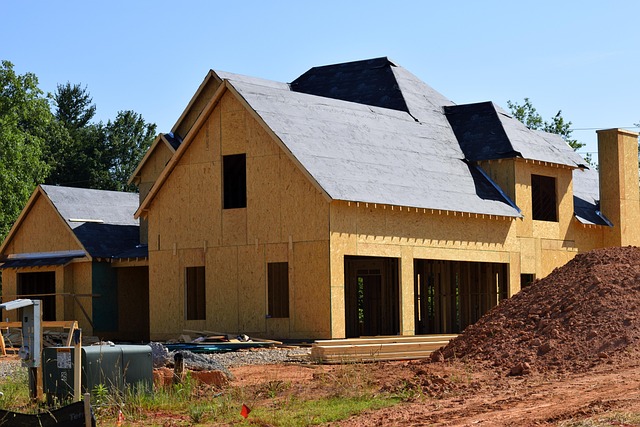
Identifying profitable opportunities in homes for sale requires a strategic approach integrating mar…….
Giving you all the latest Arizona Buzz!
Welcome to an in-depth exploration of the vibrant and ever-evolving world of homes for sale—a concept that has transformed the way we buy, sell, and perceive real estate globally. This article aims to provide a comprehensive guide, offering valuable insights into every facet of this dynamic market. From its historical roots to cutting-edge technological innovations, we will navigate the complex landscape of real estate transactions, uncovering trends, economic implications, and policy considerations. By the end of this journey, readers should have a profound understanding of the significance and future prospects of homes for sale in shaping urban environments and individual lives.
Definition: Homes for sale represent residential properties offered by owners or real estate agents with the primary intention of transferring ownership to new buyers. This market encompasses a diverse range of housing types, from cozy apartments and family homes to luxurious villas and historic mansions.
Key Components:
Historical Context: The concept of homes for sale has deep historical roots, dating back to ancient civilizations where land ownership was a cornerstone of society. However, the modern real estate market as we know it today emerged during the Industrial Revolution, when urbanization led to a surge in demand for residential properties. With advancements in communication and transportation, the process became more organized, and specialized agents began to emerge, making transactions efficient and accessible.
Homes for sale have left an indelible mark on global landscapes, with each region adopting unique characteristics and trends:
North America: The United States and Canada are known for their vibrant housing markets, characterized by diverse property types. The US market, in particular, is highly competitive, with a mix of urban condos and suburban single-family homes. Recent trends include a rise in remote work, leading to ‘location independence’ and an increased demand for homes in suburban and rural areas.
Europe: European real estate markets vary widely, from bustling cities like London and Paris to quaint villages. The continent has witnessed a growing interest in sustainable living, influencing design preferences and construction practices. Additionally, the popularity of co-living spaces, especially among millennials, is reshaping urban real estate.
Asia: Asia’s real estate scene is dynamic and diverse, with countries like China, Japan, and India leading the way in terms of growth and innovation. High population density and a growing middle class have fueled demand for compact urban living. Furthermore, the rise of smart cities and technology-driven amenities has elevated the home-buying experience across the region.
Emerging Markets: Countries like Brazil, Mexico, and several African nations are experiencing rapid urbanization, leading to increased housing demand. These markets often present unique challenges, including land ownership disputes and a lack of standardized regulations, but also offer significant growth opportunities.
The homes for sale market is intricately woven into the global economic fabric, influencing and being influenced by various economic indicators:
Market Fluctuations: Real estate markets are susceptible to cycles of boom and bust, often mirroring overall economic health. For instance, periods of low interest rates and robust job growth can lead to a surge in home purchases, while recessions may cause market slowdowns.
Investment Opportunities: Homes for sale offer attractive investment prospects, with potential capital appreciation and rental income generation. Many investors opt for real estate as a hedge against inflation, its historical stability providing peace of mind.
Affordability and Access: Economic factors significantly impact homebuying affordability. Rising construction costs, property taxes, and interest rates can make homeownership less accessible to certain segments of the population. Governments often intervene with policies aimed at improving affordability and promoting homeownership.
Global Investment Flows: International investors play a substantial role in many real estate markets, particularly in prime locations like central London or Manhattan. This inflow of capital can drive up property prices but also contributes to economic growth through increased construction and related industries.
Technology has revolutionized the homes for sale industry, enhancing efficiency, accessibility, and transparency:
Online Marketplaces: The advent of digital platforms has transformed how properties are listed and marketed. Websites and apps allow sellers to reach a global audience, while buyers can explore listings from the comfort of their homes. These platforms often provide advanced search filters, virtual tours, and detailed property descriptions, improving the overall buyer experience.
Virtual Reality (VR) and Augmented Reality (AR): VR and AR technologies are transforming home viewing by enabling potential buyers to virtually walk through properties, providing an immersive experience without physical visits. This technology is especially valuable in remote areas or for buyers who prefer a more convenient, low-contact approach.
Smart Homes: The integration of smart home devices and systems has become increasingly popular among homebuyers. Features like automated lighting, security systems, and energy-efficient appliances enhance comfort, convenience, and property value.
Big Data Analytics: Real estate agents are leveraging big data to gain insights into market trends, identify potential buyers, and provide personalized recommendations. By analyzing vast datasets, they can predict property prices, target specific demographics, and offer tailored marketing strategies.
Governments worldwide have recognized the need for policies and regulations to govern homes for sale, ensuring fairness, transparency, and consumer protection:
Land Registration and Ownership: Accurate land registration systems are vital for maintaining clear property ownership records. Many countries have implemented digital land registries, improving transaction efficiency and reducing fraud.
Licensing and Regulation of Agents: Real estate agents must obtain licenses to operate, ensuring they meet educational and ethical standards. Regulatory bodies oversee their activities, enforcing rules related to advertising, disclosures, and fair practice.
Consumer Protection Laws: These laws safeguard homebuyers by mandating honest and transparent practices. They often include provisions for dispute resolution, cooling-off periods, and restrictions on deceptive marketing.
Zoning and Planning Laws: Local governments use zoning regulations to control land use and development. These policies dictate what types of properties can be built in specific areas, influencing housing availability and prices.
Despite its growth and technological advancements, the homes for sale market faces several challenges and criticisms:
Affordability Crisis: Rapidly rising property prices, especially in urban areas, have contributed to an affordability crisis, making homeownership out of reach for many. This issue demands policy interventions, such as increased social housing provision or innovative financing options.
Lack of Transparency: In some markets, information asymmetry between buyers and sellers can lead to unfair practices. Transparent pricing, accurate property disclosures, and standardized contracts are essential to addressing this concern.
Digital Divide: While technology has enhanced accessibility, the digital divide remains a challenge, particularly in rural or underdeveloped areas. Ensuring equal access to online real estate platforms is crucial for fairness.
Environmental Impact: The construction and renovation industries have significant environmental footprints. Sustainable building practices and energy-efficient homes are essential steps towards mitigating these impacts.
Solutions and Strategies:
Singapore’s transformation into a smart city has significantly influenced its real estate market. The government’s focus on technology integration has led to the development of ‘intelligent’ homes equipped with advanced automation systems, energy-efficient appliances, and integrated security features. This approach not only enhances property value but also attracts tech-savvy buyers. The success lies in the seamless integration of technology with urban planning, creating a desirable living environment.
Denmark’s commitment to universal housing has resulted in innovative affordable housing projects. The government provides incentives and subsidies for developers constructing energy-efficient, inclusive homes. By implementing inclusive zoning policies and offering financial support, Denmark has successfully increased homeownership rates while ensuring a diverse range of housing options. This case study demonstrates the power of government intervention in addressing affordability challenges.
Germany’s real estate market has embraced sustainability, with a growing focus on eco-friendly properties. Strict building codes and incentives for renewable energy adoption have led to a surge in green homes. German developers are utilizing sustainable materials, implementing passive house designs, and integrating smart energy systems. This approach not only reduces environmental impact but also appeals to environmentally conscious buyers, setting a global benchmark for sustainable real estate practices.
The homes for sale market is poised for further transformation, driven by technological advancements, shifting demographics, and economic shifts:
Sustainable and Smart Homes: The demand for eco-friendly properties will continue to rise, fueled by growing environmental awareness. Smart home technology will become increasingly integrated into new constructions, offering enhanced comfort, security, and energy efficiency.
Remote Work and Location Flexibility: The COVID-19 pandemic has accelerated the trend of remote work, enabling more people to consider living away from urban centers. This shift will likely impact demand patterns, with potential increases in suburban or rural property purchases.
Digital Twin Technology: Digital twins, virtual replicas of physical spaces, will play a role in real estate marketing and sales. These immersive digital environments allow buyers to experience properties remotely, revolutionizing the way homes are marketed and sold.
Housing as a Service: The concept of housing as a service, where residents pay for the use of a property rather than owning it outright, is gaining traction. This model offers flexibility and accessibility, particularly for younger generations or those with changing lifestyle needs.
Homes for sale are more than just properties; they represent the essence of communities, fostering social connections, and shaping individual lifestyles. As we navigate the future, it is crucial to address the challenges and embrace emerging trends to ensure a sustainable and inclusive real estate market. By leveraging technology, implementing thoughtful policies, and fostering collaboration between stakeholders, the homes for sale industry can continue to evolve, providing quality housing options for all.
Q: How does the economy impact the homes for sale market?
A: Economic factors like interest rates, employment levels, and overall economic health significantly influence market activity. Booming economies often lead to increased homebuying, while recessions may cause slowdowns.
Q: What are some benefits of using online real estate platforms?
A: Online platforms offer convenience, global reach, and advanced search tools. They provide buyers with detailed property listings and virtual tours, streamlining the initial search process.
Q: How can I ensure a fair and transparent home purchase?
A: Look for licensed and regulated agents, carefully review contracts, and seek legal advice when needed. Transparent pricing, accurate disclosures, and consumer protection laws are key to fairness.
Q: What is the role of technology in making homes more sustainable?
A: Technology enables eco-friendly design through smart home systems, energy-efficient appliances, and renewable energy integration. It also facilitates the monitoring and optimization of resource usage, reducing environmental impact.
Q: How can governments address the affordability crisis?
A: Governments can implement policies like inclusive zoning, provide financial assistance for first-time homebuyers, and encourage affordable housing developments to increase accessibility and ownership opportunities.
Identifying profitable opportunities in homes for sale requires a strategic approach integrating mar…….

Investors seeking success in the homes for sale market must conduct comprehensive analyses balancing…….

Identifying profitable homes for sale requires a strategic analysis that balances market insights, b…….

First-time buyers navigating the homes for sale market face unique challenges and opportunities. Key…….

First-time homebuyers navigating homes for sale market must define budget, secure financing (often w…….

Investing in homes for sale offers lucrative opportunities within real estate. Key strategies involv…….

First-time buyers seeking budget-friendly homes for sale must adopt a strategic approach. Key steps…….

In today's dynamic real estate market, understanding market trends is crucial for both sellers…….

First-time homebuyers navigating the homes for sale market must grasp regional dynamics, budget cons…….

Understanding market trends is crucial for navigating the homes for sale landscape. Recent data show…….